Pure Healthy Solutions
Welcome to Your Fresh Start!
You may have been told by your doctor (or Nurse Practitioner) that you need to make a few changes for your health.
Change can be super challenging and its best to make just a few adjustments at a time.
One of the best ways to get started with a healthy lifestyle is to get your kitchen set up for success.
Focus on just one item each day for 5 days. This will help you succeed in cleaning out your pantry – without the overwhelm.
GO TO LESSON SUMMARIES TO LEARN MORE ABOUT THE MINI-COURSE
In each new lesson, we’ll dig deeper into why it's important and how to make the healthiest decision possible. This is to help you understand why these changes have to be made.
Then we’ll work on the saboteur - your emotional brain. We're all attached to our "favorite foods" - which is why you must set up your environment for success.
Welcome to the Pantry Clean Out Course. I’m so glad you're here! I’m Beth, a board certified Nurse Practitioner. I specialize in helping people like you who want to make healthy changes in their lifestyles.
Explore each lesson by signing up (if you haven't already done so), then make your plan to implement the suggestions. Post comments and questions below the lessons or email me directly at beth (at) purehealthysolutions (dot) com.
simple and easy.
Join the course.
Course Lessons
TIP: Click on the title or + sign to open each summary.
Enjoy the preview of each lesson below, then sign up to get the password for the full story of why you need to "ditch" the unhealthy ingredients hiding in your kitchen!
No gimmicks or sales pitches, just honest, researched evidence on 5 ingredients lurking in your pantry and fridge - plus, healthy alternatives so you won't miss out on your favorite foods. All completely free!
Join the Pantry Clean Out Course to learn about:
- Identifying foods to discard for a healthier lifestyle
- Reasons to eliminate unhealthy sugars, salts, condiments, cooking oils, and grains
- Swapping favorite items with healthier alternatives
- Making your pantry healthier to improve your overall health
Changing food habits can be challenging but necessary for various reasons like eating right, weight loss, or health issues. For example, high sugar content that is "hidden" in processed and used in our kitchens can lead to future blood sugar problems and other health issues.
Despite decreased sugar consumption in recent years in the US, many adults still consume 17 teaspoons of added sugar daily.
The Pantry Cleanout helps address temptations in our pantries by starting with a healthier kitchen, paving the way for a healthier life.
Each module of the course focuses on an item in your pantry to delve into its importance and optimal decisions. The first lesson targets sugar, emphasizing that a pantry full of sugary foods leads to consuming them. By clearing out these items, we can make healthier food choices.
Join the course (if you haven't already done so - it's free to join) to declutter your pantry of food ingredients that won't contribute to your health and learn about their unexpected presence in various foods, the reasons to avoid them, and tips for replacements.
Read more in Lesson One Summary.
To kick off the Pantry Clean-Out, the first step is eliminating sugar due to its negative health impacts. Consuming sugar triggers the release of insulin, a fat-storing hormone that can lead to weight gain and various health issues such as type 2 diabetes and heart disease.
Here are reasons to reduce sugar intake:
- It's an addictive, mood-altering chemical (Dartmouth Health, 2025).
- It crowds out healthy nutrients by hijacking our tastebuds.
- Some studies show increases inflammation and suppresses the immune system (Kawano, et.al., 2022)
- High intake can damage the circulation, pancreas, liver, and kidneys.
- It leads to inflammation and metabolic syndrome that increase the risk of diabetes, heart disease, and obesity.
- Excess sugar speeds up cellular aging (JAMA, 2024) .
- It harms the liver by adding to the risk of fatty liver disease (Huneault, et.al, 2023).
From cookies to ketchup, sugar is hiding in plain sight.
Check nutrition labels for added sugars, especially HFCS (high fructose corn syrup) , and avoid buying foods with refined sugar, in the future.
Getting rid of sugar can lead to weight loss and increased energy levels. You may notice improvements in how you feel once sugar is eliminated from your diet.
Read more about the health implications of added sugar in our diets below, then share your thoughts in the discussion section! Jump to More Reasons Here.
Lesson 2 is focused on salt and the importance of replacing salt cravings with good alternatives. Here are key points from the lesson:
- Consuming too much salt (sodium) can lead to hypertension. Salt causes the body to retain water, increasing blood pressure.
- Reducing sodium intake to 1500 mg per day (less than one teaspoon) can lower blood pressure by 2-6 points.
- High blood pressure can lead to health issues such as strain on the heart, arteries, kidneys, and brain, potentially causing heart attacks, strokes, kidney disease, and dementia.
- Approximately 80% of the salt consumed comes from processed foods, even when salt is not visibly added.
- It is recommended that healthy adults consume no more than 2,300 mg of salt per day, but many people exceed this limit. Follow your healthcare provider's recommendations on daily salt (sodium) intake.
You can reduce salt consumption by:
- Checking for hidden salt in breakfast foods, processed foods, bread, canned foods, and canned vegetables.
- Avoiding excessively salty foods like potato chips, pretzels, popcorn, and crackers.
- Being aware that even types of salt like sea salt, rock salt, and garlic salt can still raise blood pressure.
- Adjusting taste buds to foods with less salt and experimenting with other spices for flavor enhancement.
- Opting to cook at home to control salt content and choosing low-sodium canned foods or fresh vegetables over canned ones.
Overall, it is essential to be mindful of salt intake for better health outcomes and consider alternatives to reduce sodium consumption.
Join the free course to get the details.
So far in the course, we learned reasons why to:
- Ditch sugar: It's addictive, weakens the immune system, causes health issues, premature aging, and liver harm.
- Ditch salt: It contributes to high blood pressure, water retention, and can strain the heart, arteries, kidneys, and brain, potentially leading to severe health problems.
Next, we'll look at the condiments in our pantry and refrigerator.
Condiments are often full of sodium, unhealthy fats, and refined sugar, leading to health issues like weight gain and diabetes. Read the labels! It's advisable to make healthier choices by ditching store-bought condiments and trying homemade alternatives.
Specific items to remove from your pantry include salty sauces like store-bought ketchup, spaghetti sauce, and salad dressings. Opt for healthier options or make your condiments at home to have control over the ingredients and freshness. You'll reduce packaging and by making only what you need, you'll end up with less waste.
Food manufacturers make it so hard to find undesirable ingredients on labels. Plus, we have to keep track of quantities to see how they add up. Instead, if we learn simple ways to make food more tasty with herbs, spices, and sodium alternatives (like lemon) and making our OWN condiments, it will be much easier to control the ingredients.
The bonus recipe guide provides recipes for homemade ketchup, pesto, barbecue sauce, salad dressing, and hot sauce. These DIY versions give you nutritional value and control over what you consume. Experimenting with different condiments can help you discover new flavors and keep your meals exciting. Check your email when you join the course to get the condiment recipe guide.
Embarking on making your condiments at home can be a fun and healthier alternative compared to store-bought versions.
In this lesson we'll explore cooking oils and their potential impact on health. Over years of the development of industry and manufacturing at scale, we're learning how some of the most commonly used ingredients became unhealthy.
Oils and fats are used in baking, frying, condiments, and other foods we may consume daily. Learn which oils are health promoting and which oils should be limited or avoided altogether. Some oils may have a potential connection to chronic inflammation, cardiovascular disease, arthritis, and diabetes.
To make healthier choices, it´s crucial to balance the intake of omegas (fatty acids), important nutritional components, for overall health benefits.
Highlights:
- The history of how and dietary fats became a focus of medicine and manufacturing
- Gain awareness of the healthy balance of omega-3, -6, -9 fatty acids.
- Which oils to favor, and which to limit (or avoid entirely).
This lesson has been the most fascinating and confusing deep dive into nutrition. Keep in mind I am not a nutritionist or dietician and am not providing medical guidance, but rather elevating your awareness of being mindful about what you're eating. Probably my greatest concern is regarding the manufacturing processes and use of potentially unsafe ingredients in cooking oils and processed "foods". The discussion forum should be lively on this one!
Remember to use oils and fats in moderation, as they are calorie-dense. Experiment with different options and find the one that works best for your cooking needs and health goals.
In this final lesson, we discussed the importance of grains and pasta in our diets and the impact they can have on our health:
- Pasta is high in carbs and often made from refined grains, which can increase the risk of heart disease and other health issues.
- Refined pasta is low in fiber and nutrients, leading to high-calorie intake without many health benefits.
- Refined grains in general, including those used in bread, can also have negative health effects and may not be as nutritious as whole grains.
- Consuming refined carbohydrates can cause spikes in blood sugar and may lead to hunger shortly after eating.
- Eating too many grains can lead to a diet lacking in essential nutrients from vegetables, proteins, and healthy fats.
Here are some key takeaways and tips for making healthier choices when it comes to grains and pasta:
- Opt for whole-grain pasta, or pasta made from legumes, for more fiber and nutrients.
- Avoid refined grains in pasta, bread, cereals, and other products by checking labels and choosing whole-grain options.
- Consider trying plant-based pasta alternatives if whole-wheat options don't suit you.
- If grains don't make you feel good, it's okay to exclude them from your diet as everyone's response to grains varies.
- Fill your pantry with healthy alternatives to refined grains and pasta, such as almond or coconut flour.
Cleaning out your pantry and replacing unhealthy items with better options can greatly impact your health and well-being. Remember to prioritize nutritious foods and experiment with different grain and pasta alternatives to find what works best for you.
Start Your Pantry Cleanout Here:
Changing our habits, especially those related to FOOD is one of the hardest challenges most people face.
The reason why we want to change can be anything from a decision to eat right, lose weight, food sensitivities... to needing to make a lifestyle change because our current habits are having an impact on our health.
It's pretty common knowledge that a high sugar diet can lead to developing blood sugar problems in the future. Consuming too much sugar can lead your body to become overwhelmed and create other problems too.
Amazingly, sugar consumption in the US has dropped in recent years. Are we somehow getting healthier and showing it in our grocery store purchases?
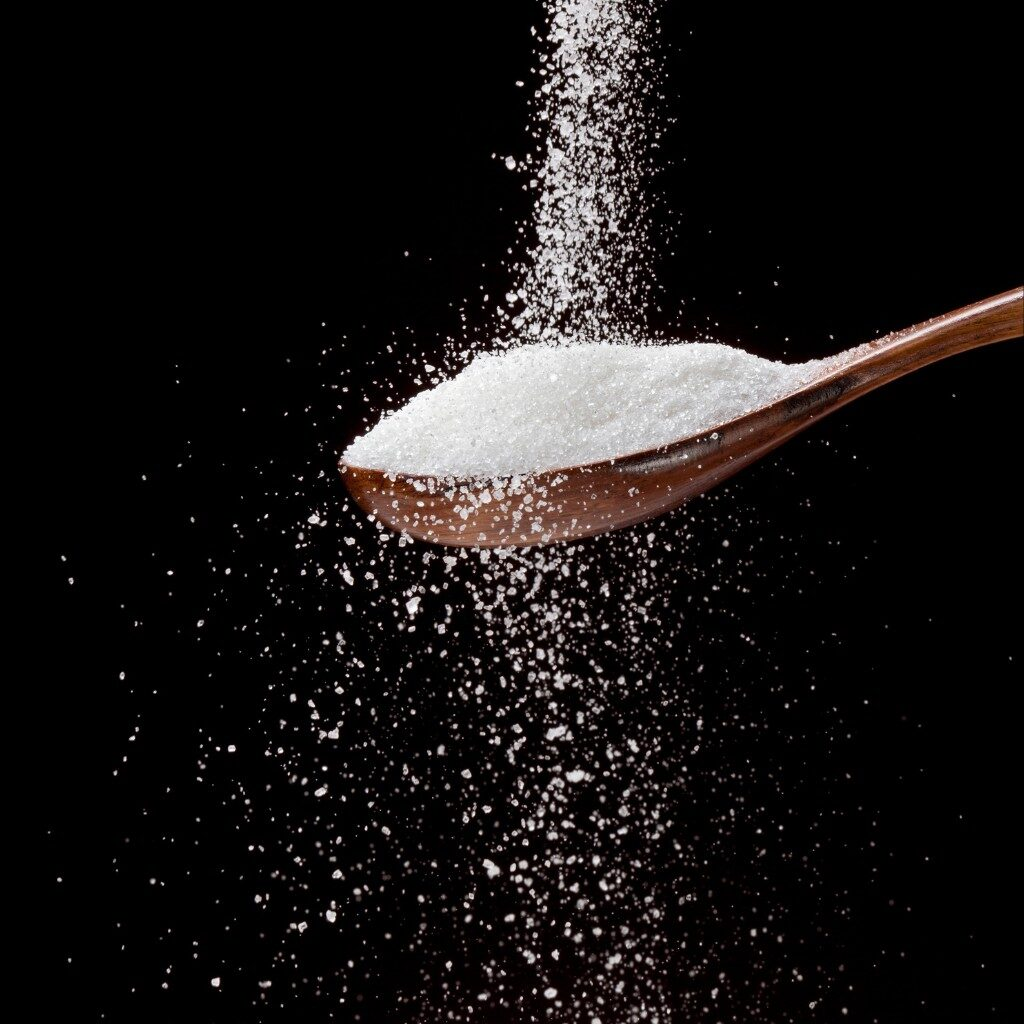
We can speculate on the reasons why but the fact remains that most adults consume 17 teaspoons of ADDED sugar daily (not counting that naturally found in whole foods like fruit, for example).
Many health experts agree the current recommendation of limiting added sugar to 50 grams/day is too high. 50 grams is still 12.5 teaspoons!
That's a lot of teaspoons!
Despite overwhelming evidence of the harms of just this one ingredient, temptations abound in advertising, in foods where certain ingredients are plentiful, and yes, even in our very own pantries!
That's where the Pantry Cleanout comes in!
By starting with your kitchen, you'll be taking the first steps toward healthy habits and your healthy life!
In this course, each module will focus on one item in your pantry to dig deeper into why it's important and how to make the healthiest decision possible.
If you have healthy food, you'll eat healthy food.
If your pantry is filled to the brim with sugary foods, you're going to eat those sugary foods. On the flip side, if your pantry is filled with healthy foods, that's what will be on your plate. That's the goal here.
We're cleaning out the sugar today so you can stop eating it.
It's as simple as that.
Keep reading to learn how added sugar is in many foods that you wouldn't expect, why it's best to avoid added sugar, and why sugar is so addictive.
Plus, I'll give you some tips for replacing sugar in your pantry! Scroll down for the next lesson.
To kick off the Pantry Clean-Out, we're ditching sugar!
We all know that sugar isn't good for us, right? We've heard all kinds of things about sugar and how it's unhealthy, and that's precisely why we're getting rid of it.
Think about some of the bad things you might have heard about sugar.
Is sugar something you struggle with avoiding?
Why have you thought about ditching sugar in the past?
Leave a comment below to share your words of wisdom!
Why do we need to get rid of sugar in our kitchen?
Essentially, when you consume sugar, the pancreas releases insulin, a fat-storing hormone. Sometimes there is just too much sugar in the system so the excess is sent to the liver, packaged up in little storage units called triglycerides (a type of fat), and sent into storage. This is where it can cause a whole host of problems.
Simply put, when we eat too much sugar, our bodies can't process all of it, causing an issue.
One main concern is excess sugar that can't be used by the body at the moment is then stored as fat, which results in weight gain.
Carrying around too much weight is prevalent in our society, which can lead to a host of other detrimental health issues such as type 2 diabetes, heart disease, and other health issues.
All in all, the things we want to avoid!
"The effects of added sugar intake — higher blood pressure, inflammation, weight gain, diabetes, and fatty liver disease — are all linked to an increased risk for heart attack and stroke," says Dr. Hu. (Source: https://www.health.harvard.edu/heart-health/the-sweet-danger-of-sugar)
Reasons to ditch sugar
All of these are pretty good reasons to reduce sugar intake in our diet. Overall, sugar doesn't do any good for our bodies, and we can live without it. We should especially be concerned about getting rid of processed sugary foods.
After hearing this, you probably don't want to keep any sugar in your pantry, do you? I'm going to help you figure out what to ditch from your pantry as we clean out the sugar today.
LESSONS ARE PASSWORD PROTECTED. JOIN THE COURSE (BELOW) FOR FREE ACCESS. PASSWORD WILL BE EMAILED TO YOU!
COMMENT BELOW!
We welcome a discussion of relevant health topics.
Review the Comment Policy before posting. Guest posting is welcome.
If you'd like to submit a comment or question to me directly, go HERE.
Disclaimer
The information in this article or course is not intended nor implied to be a substitute for the medical advice, diagnosis, or treatment of your personal healthcare provider. All content is for general information purposes only and does not replace a consultation with your own healthcare provider. Read the full disclaimer HERE.

Privacy Policy - Terms & Conditions - Disclaimer
Copyright 2025-2026 Pure Healthy Solutions, all rights reserved.